
- 18008912101
 Toll Free:



 Old IB Login
 Old IB Login
COLOR CONTRAST
TEXT SIZE
ZOOM IN
HEIGHLIGHTING CONTENT
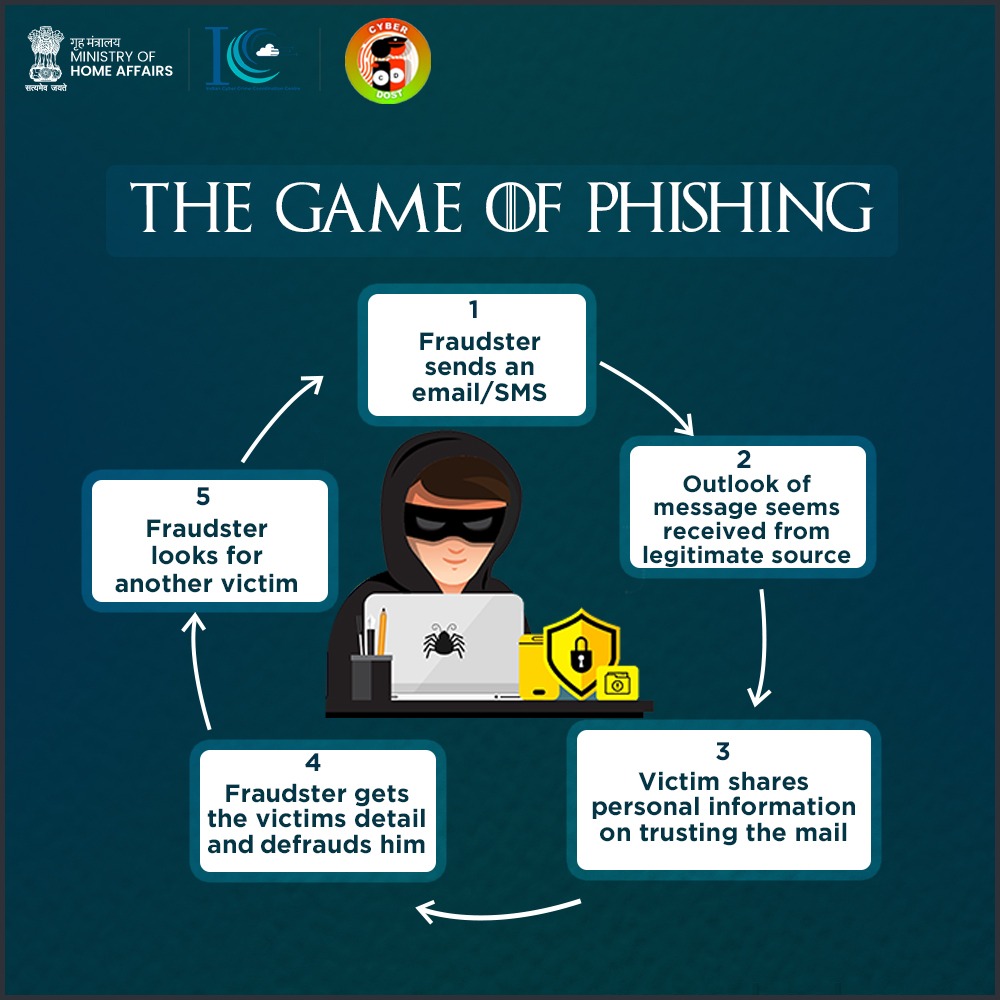
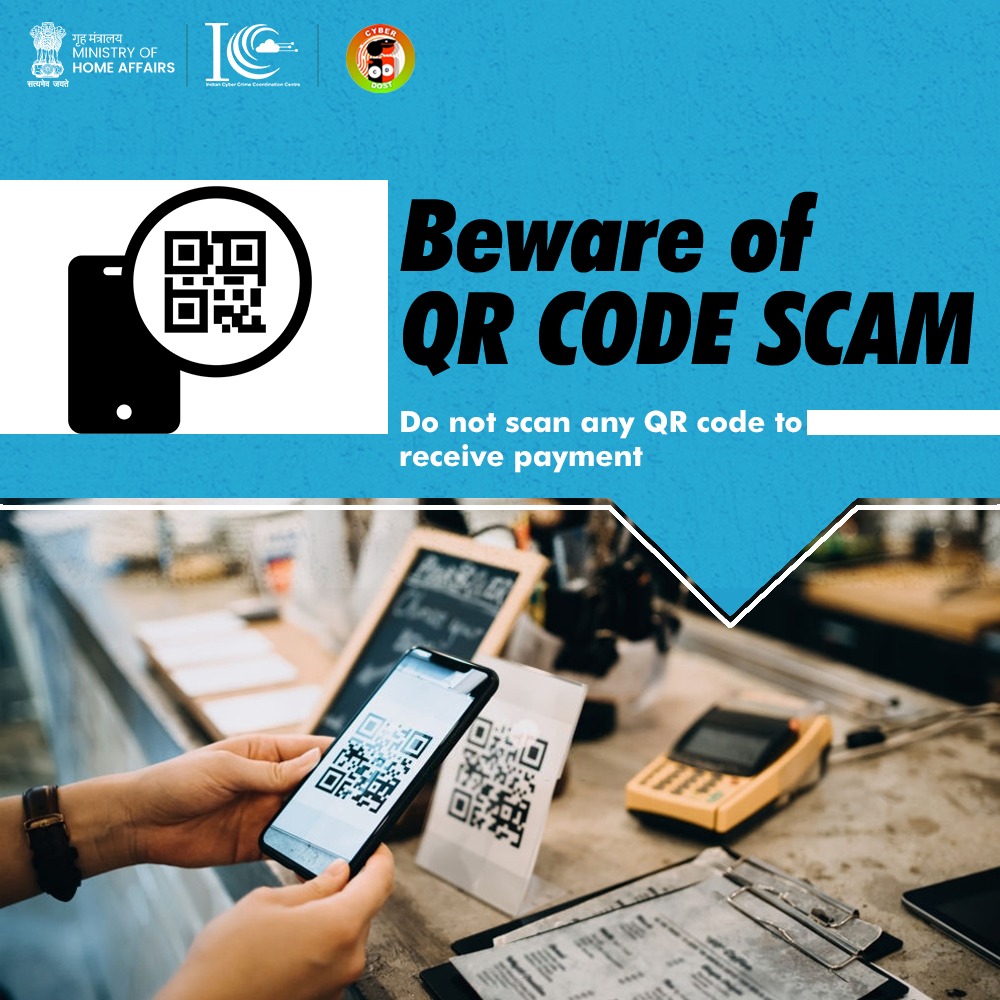
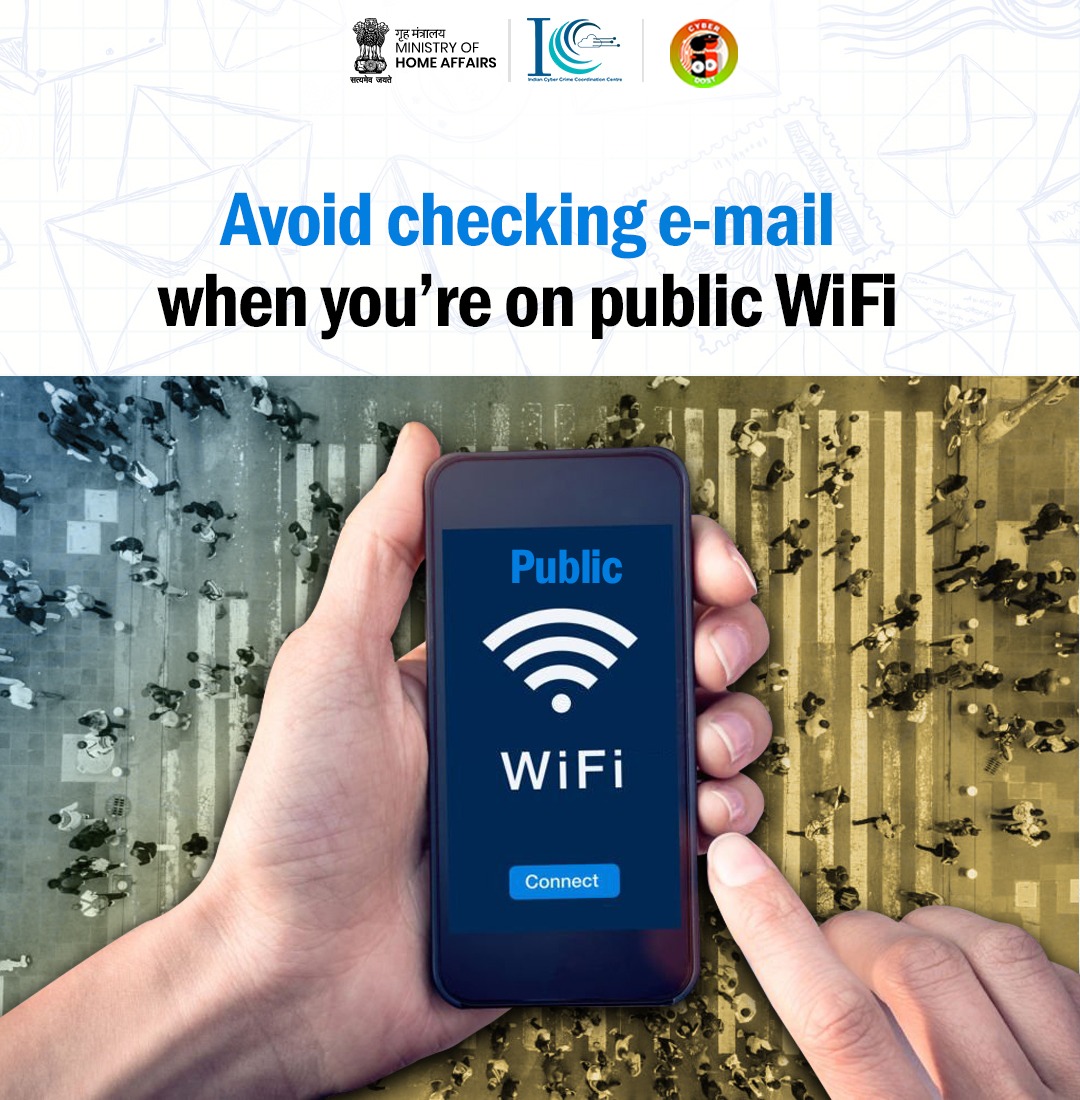
Cyber Hygiene posts
Latest Cyber Awareness Videos
Digital Arrest
Instant Loan Fraud
Fake Trading Scam
Fake Online Notice
Card Cloning Fraud
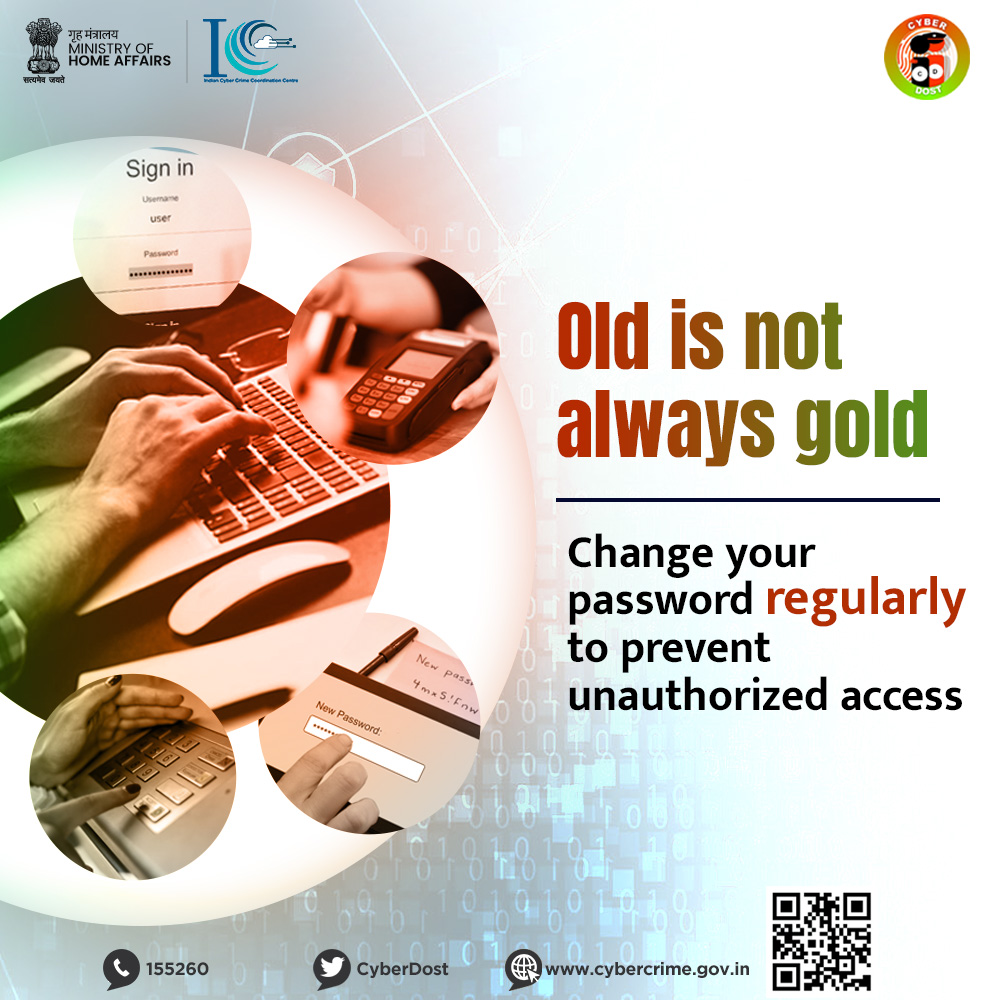
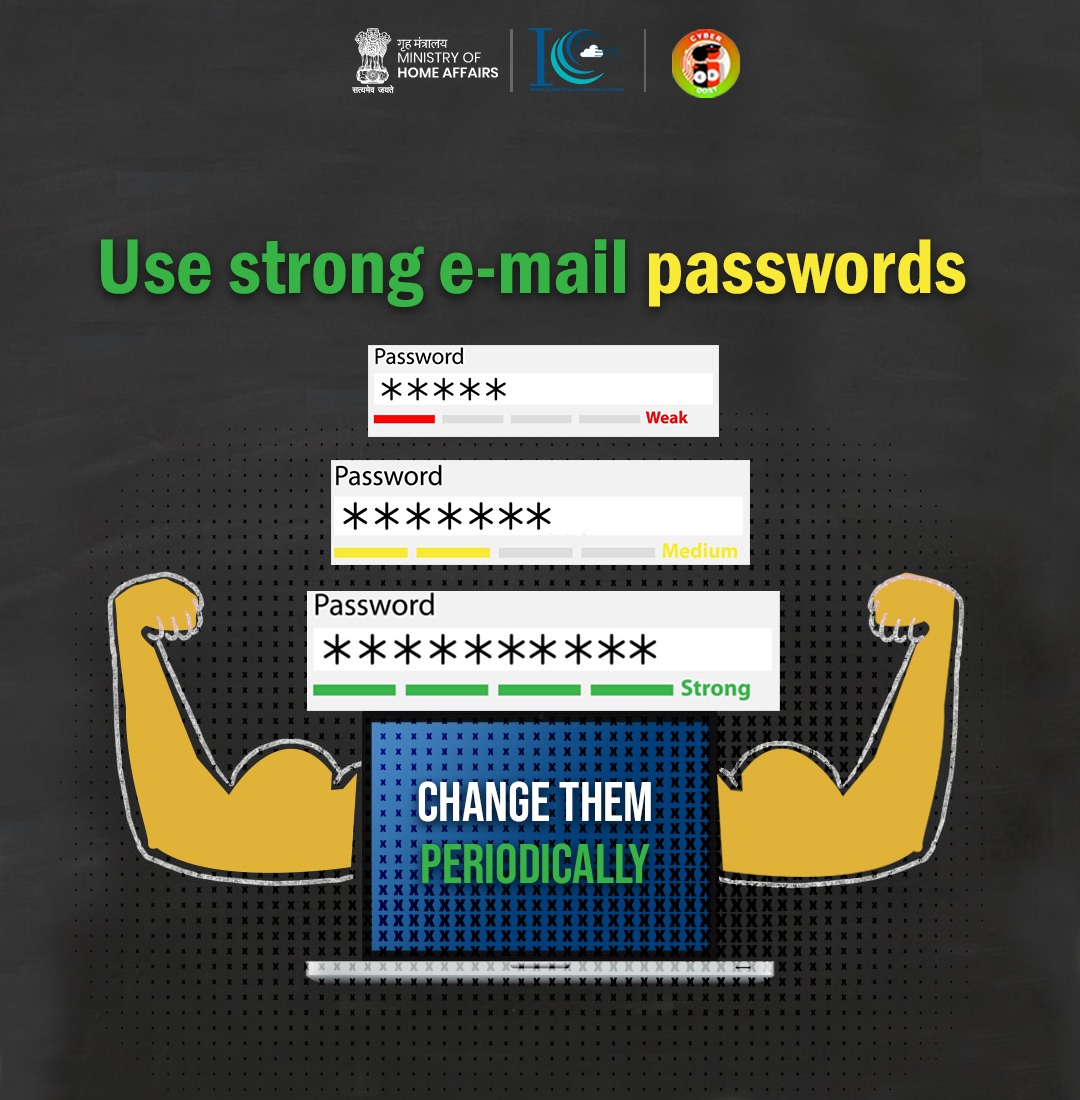
Strong Password Practices
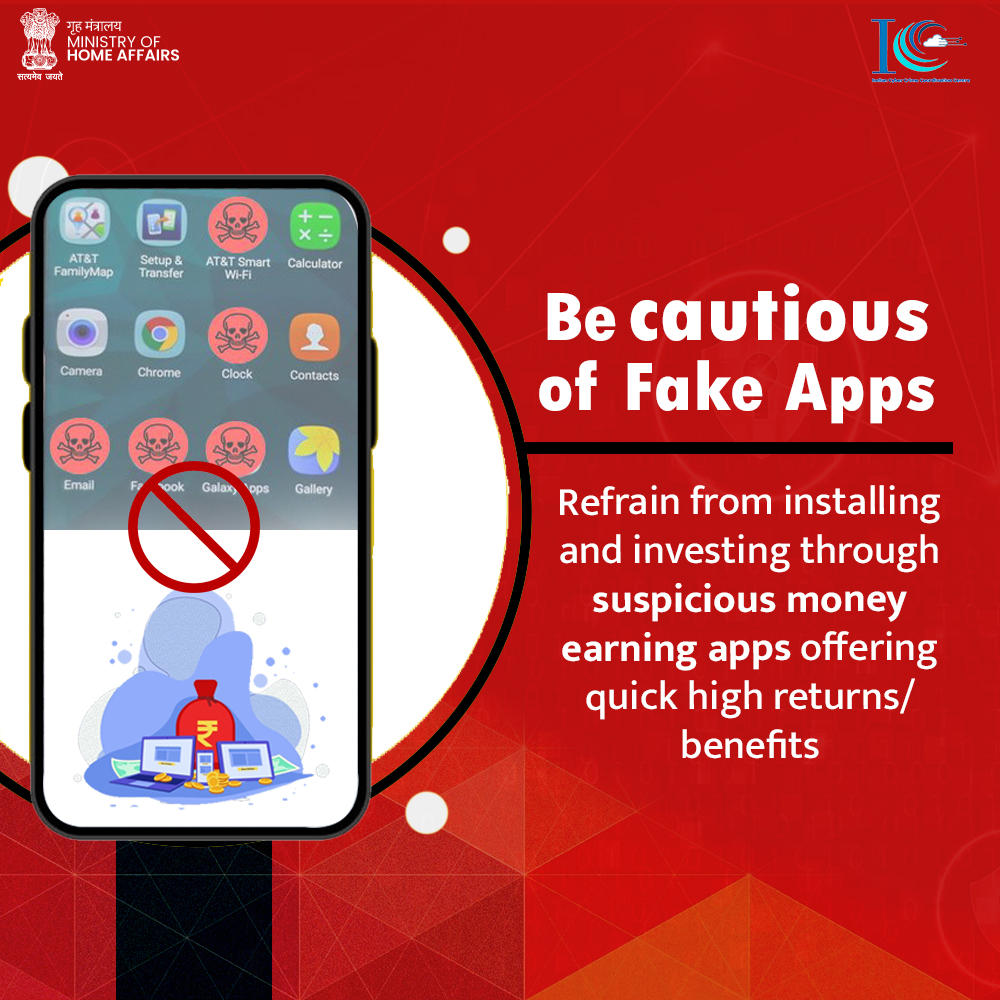
Earning App Fraud
Property Fraud
Cyber Security Awareness & Guidelines
01Cyber Security Awareness
02Cyber Safety Guidelines
03 Cybersecurity Best Practices to follow
1. Verify suspicious voice or video requests – Deepfake technology can convincingly imitate voices and faces. Always confirm requests using a separate communication method before responding.
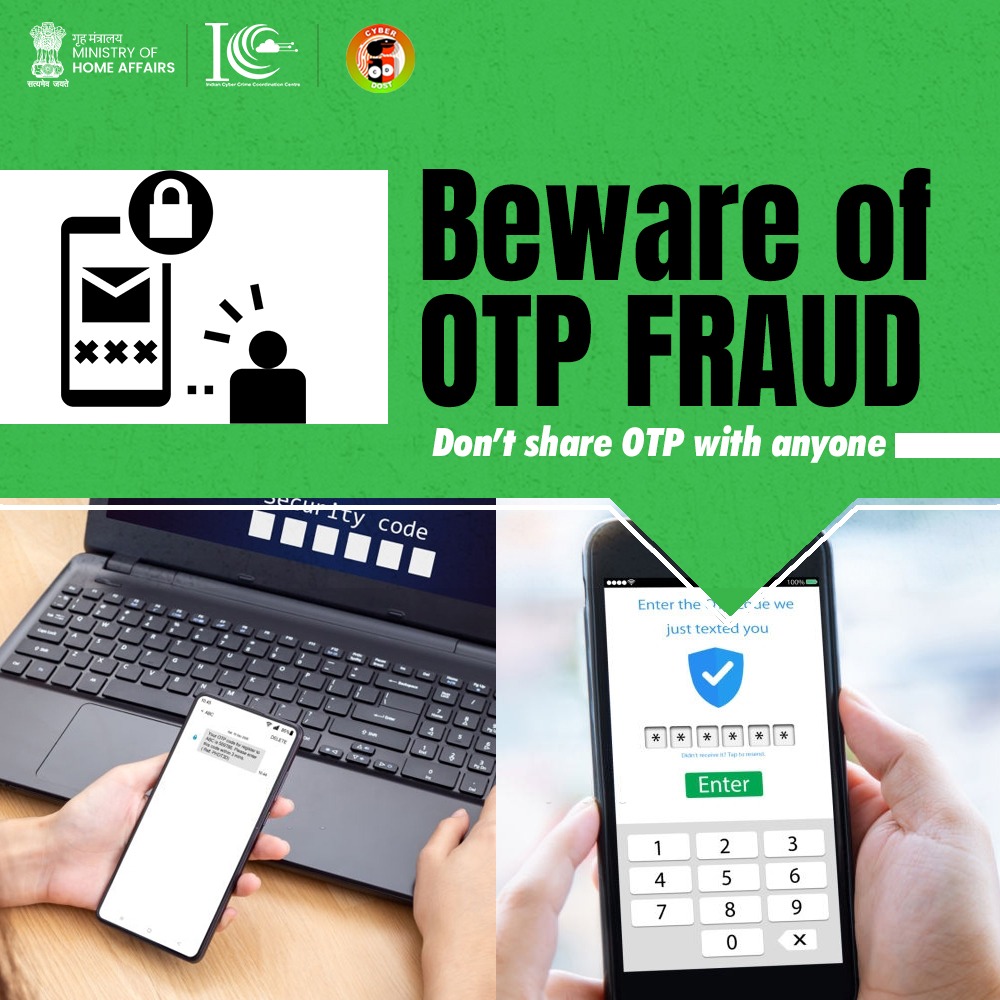
2. Never share OTPs or banking credentials – Even if a message or call appears urgent or official, do not reveal sensitive information.
3. Be cautious about uploading photos – Avoid sharing your personal images on unverified apps or websites that may misuse them for deepfake generation.
4. Discuss cyber threats with vulnerable groups – Children and senior citizens are often targets. Talk to them about the risks associated with deepfakes and phishing.
5. Enable multi-factor authentication – Add an extra layer of security to your online accounts by using authentication apps or biometrics.
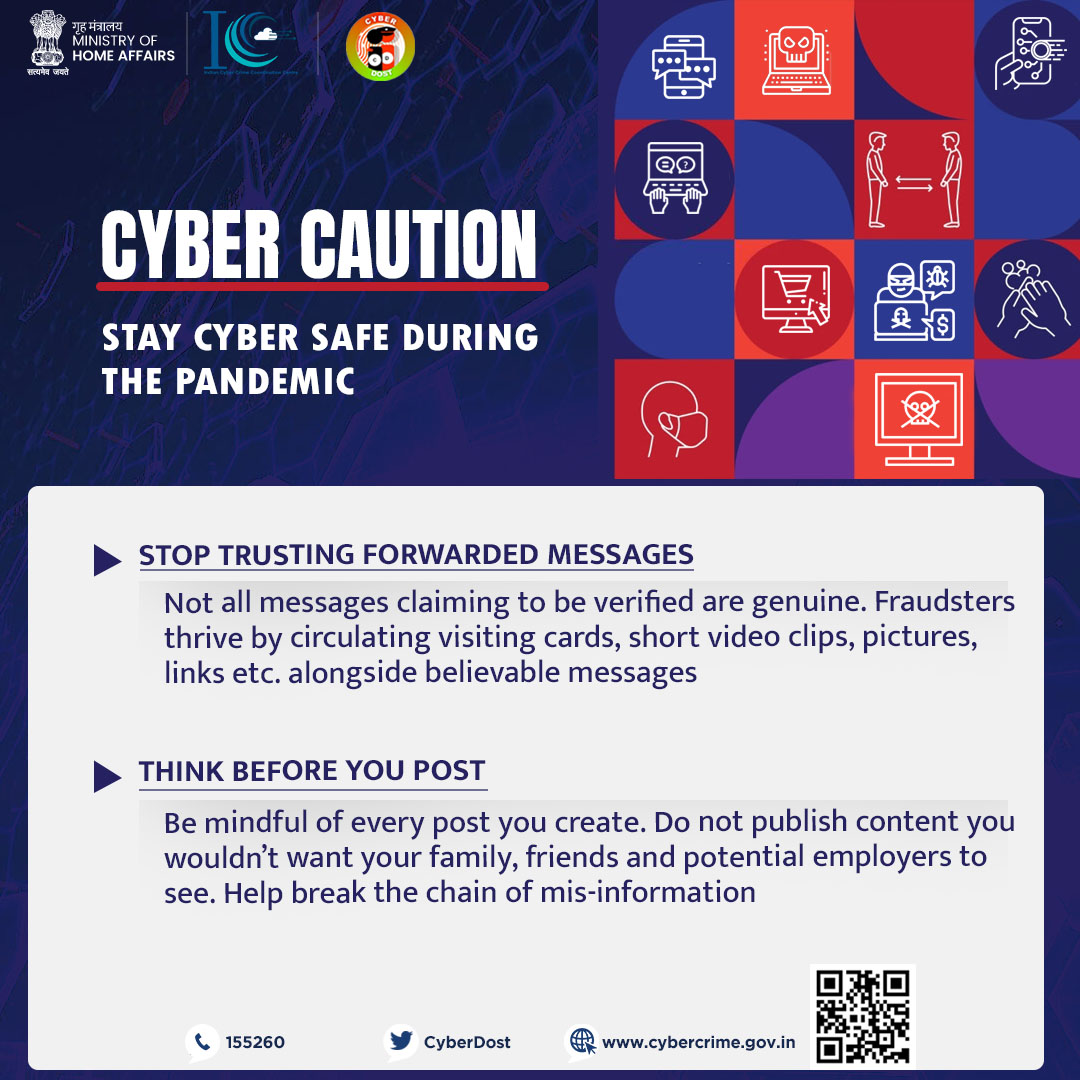
6. Avoid unknown links on social media – Clicking unfamiliar or clickbait links can trigger malware downloads or redirect to phishing sites.
7. Check app permissions – Limit what access your installed apps have, especially to your camera, microphone, and location data.
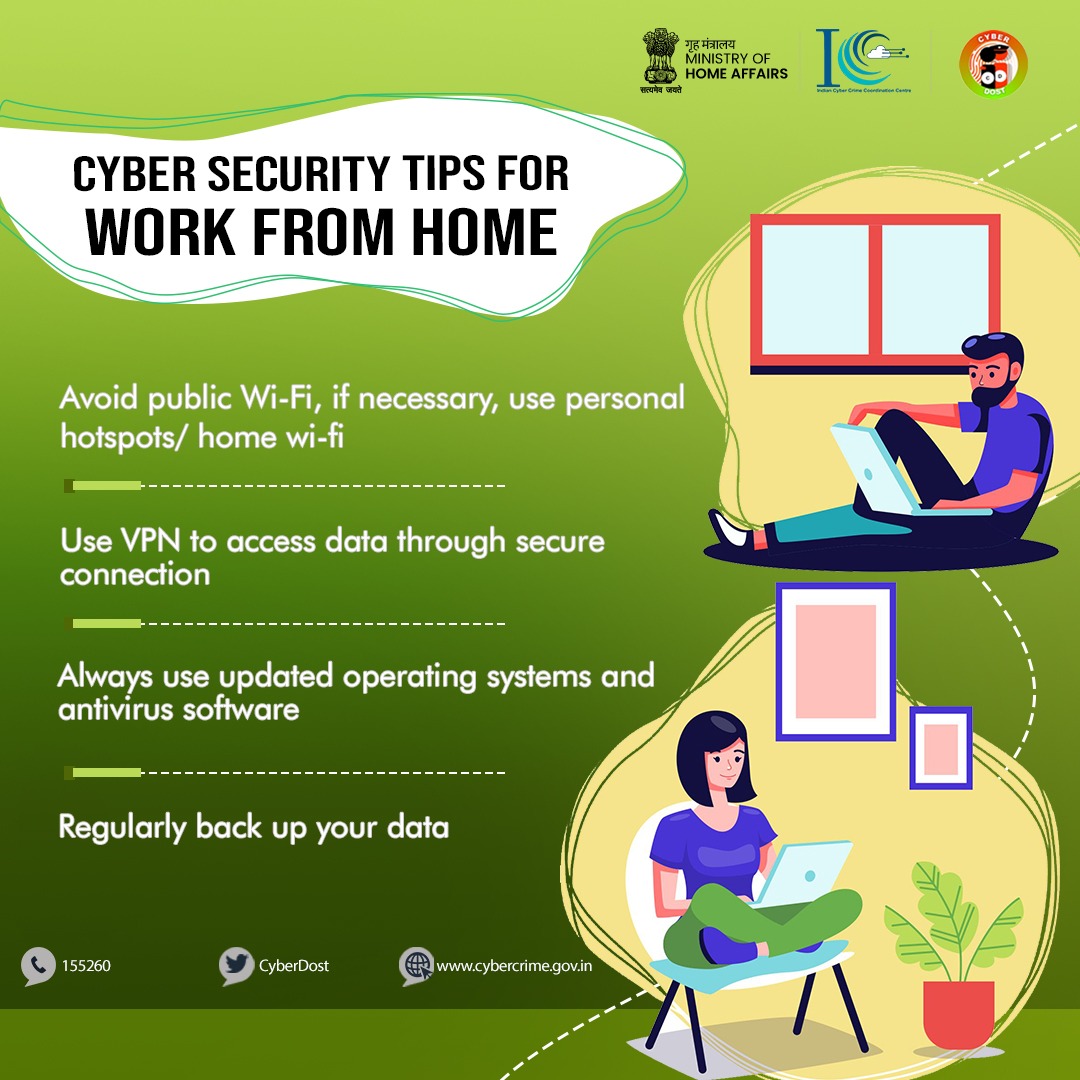
8. Keep devices updated – Install security patches and operating system updates promptly to close known vulnerabilities.
9. Use antivirus or anti-malware software – Trusted security tools can help detect and block threats before they cause harm.
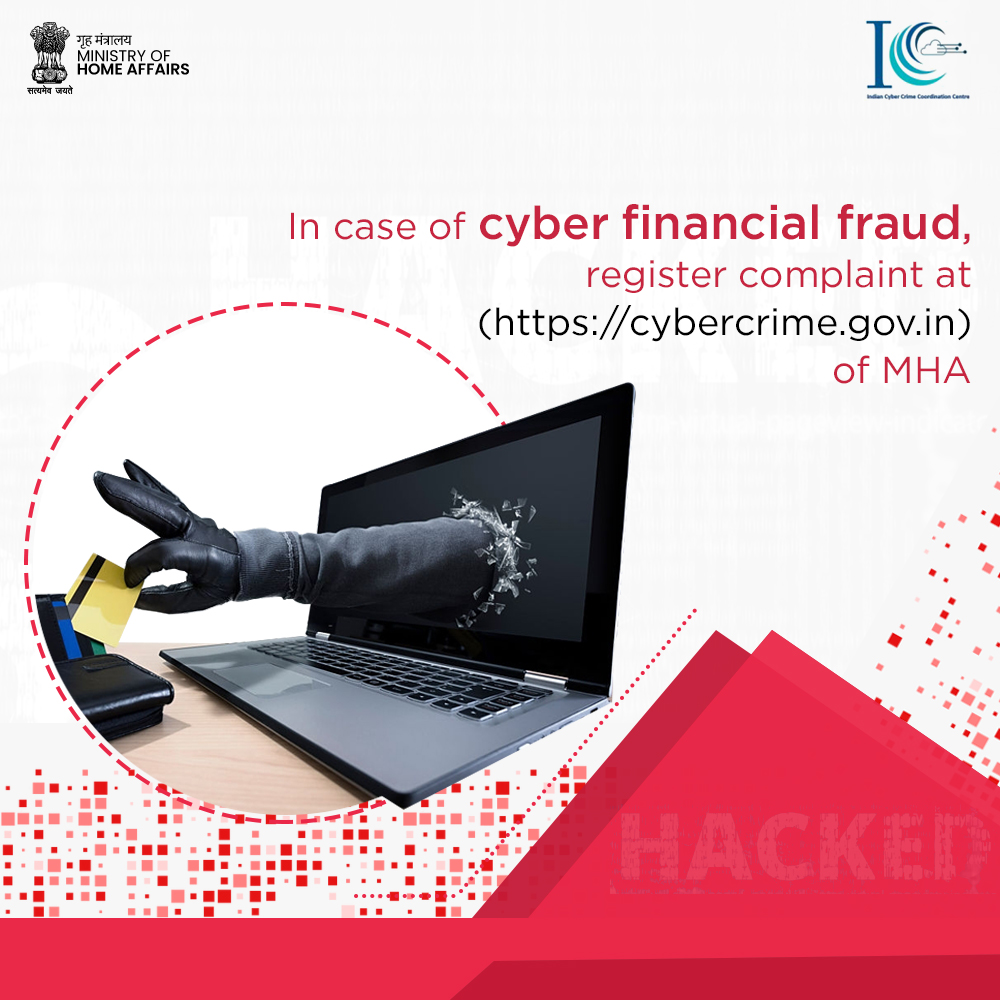
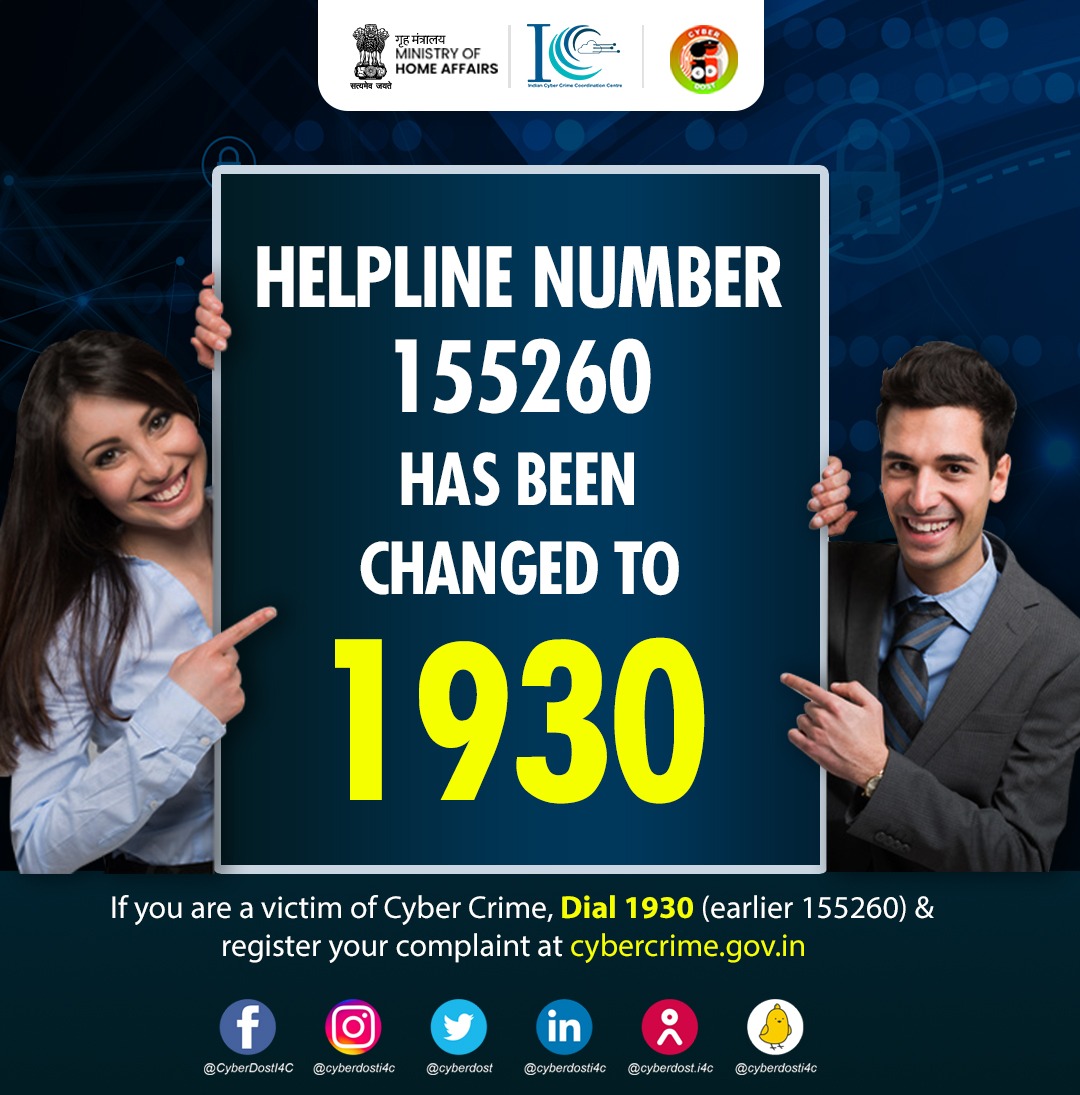
10. Report incidents to https://cybercrime.gov.in/. If you suspect a cyber-attack or have already been targeted, report it promptly to 1930.